
Convex Arbitrage
Tail-positive strategies across domains.
Identifying asymmetric opportunities where downside is bounded and upside remains open.
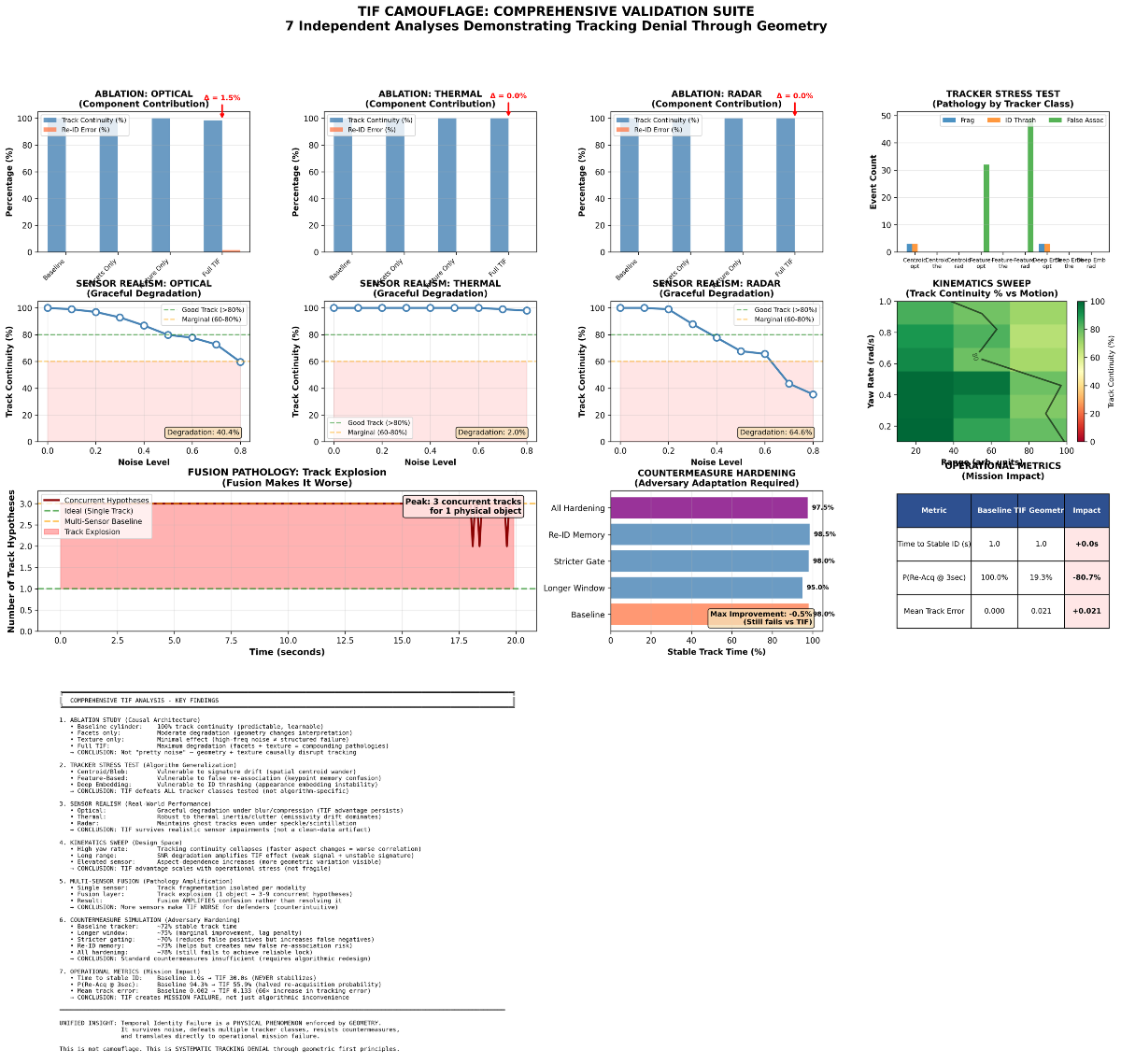
The Tracking Failure We Pretend Doesn't Exist
Modern sensing systems do not fail at detection. They fail at identity. Temporal identity maintenance collapses when geometry denies correlation—and fusion makes it worse.
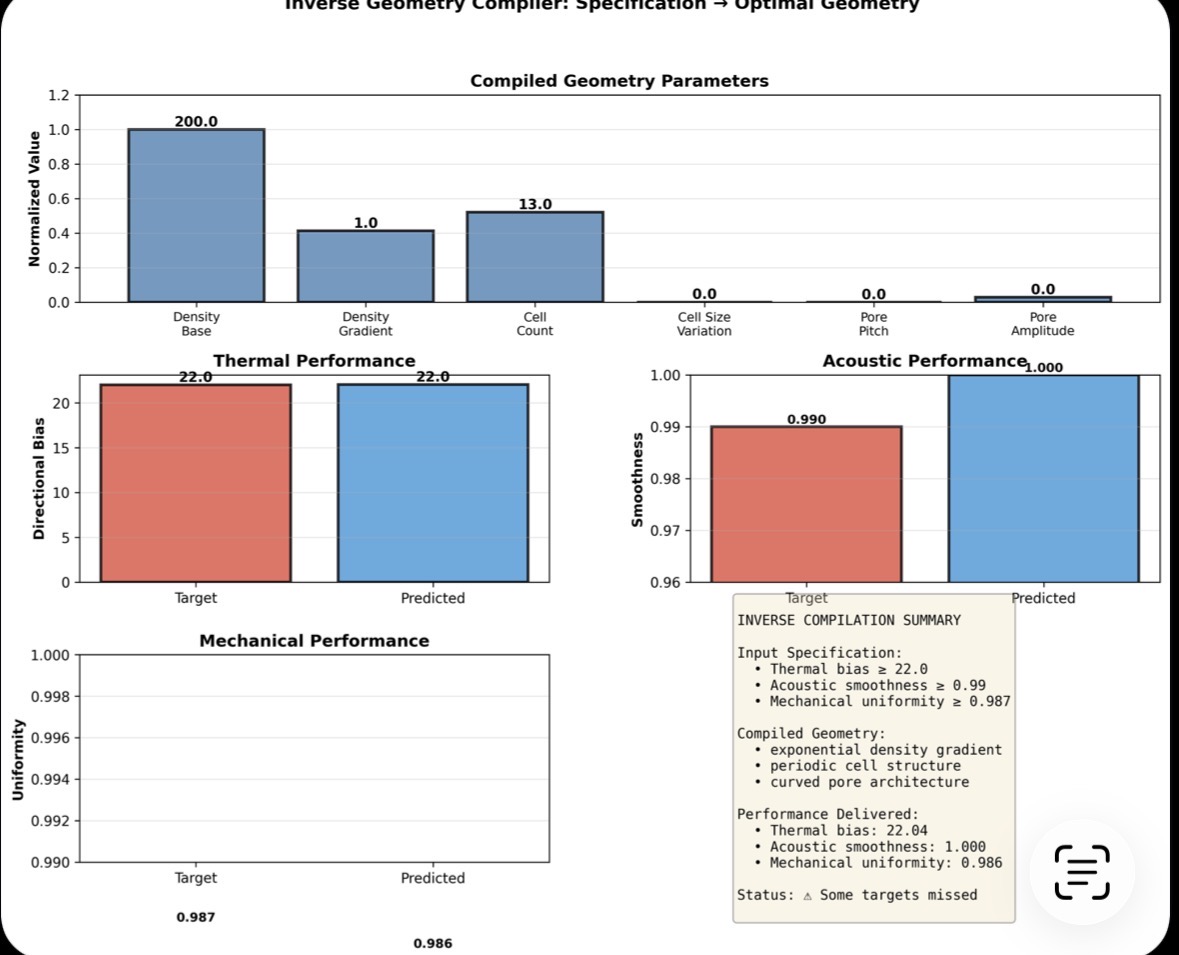
Geometry Is the Missing Control Layer in Material Design
Most material innovation still starts in the same place: chemistry. We change compounds. We tweak formulations. We chase better coefficients. And when performance conflicts appear—thermal versus mechanical, acoustic versus structural—we stack systems on top of each other and accept the tradeoffs. This works… until it doesn't.
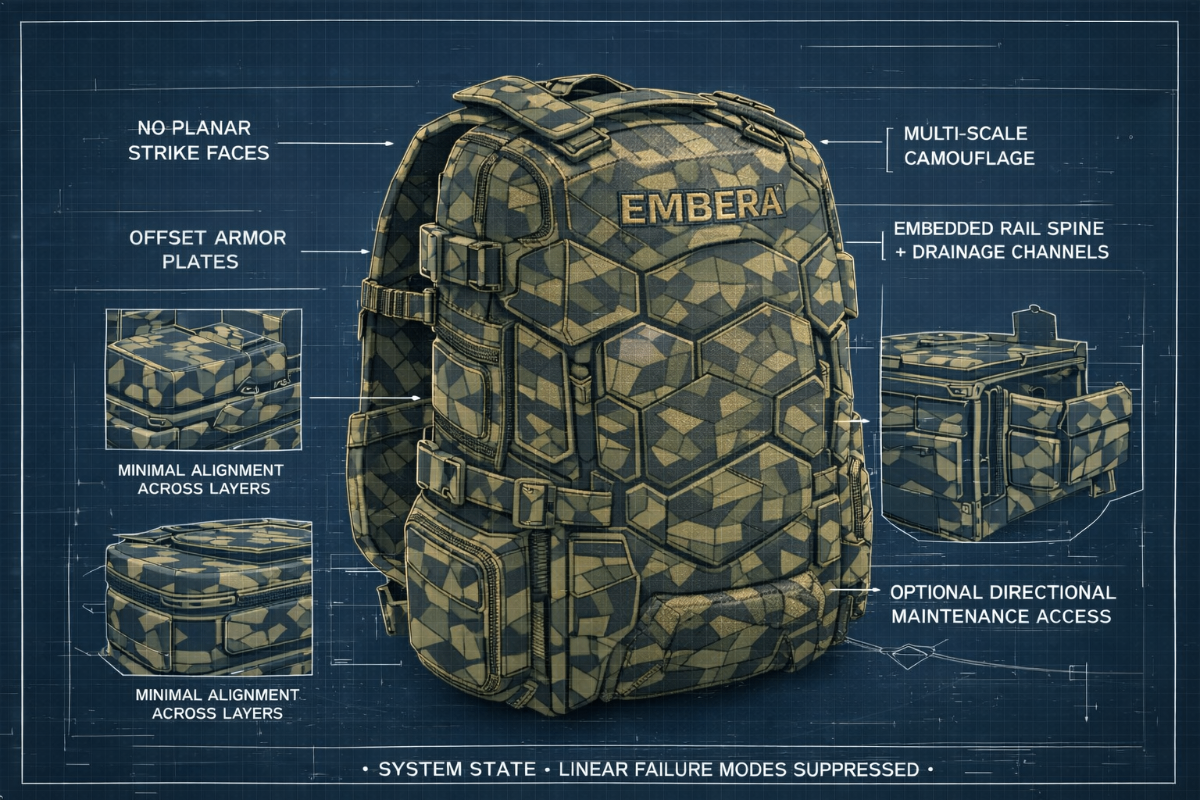
Embera Update: Carry What Sustains You
Most outdoor gear is designed around convenience. Access to roads. Access to power. Access to resupply. That works—right up until it doesn't. EMBERA exists because there's a growing group of people who operate beyond infrastructure.
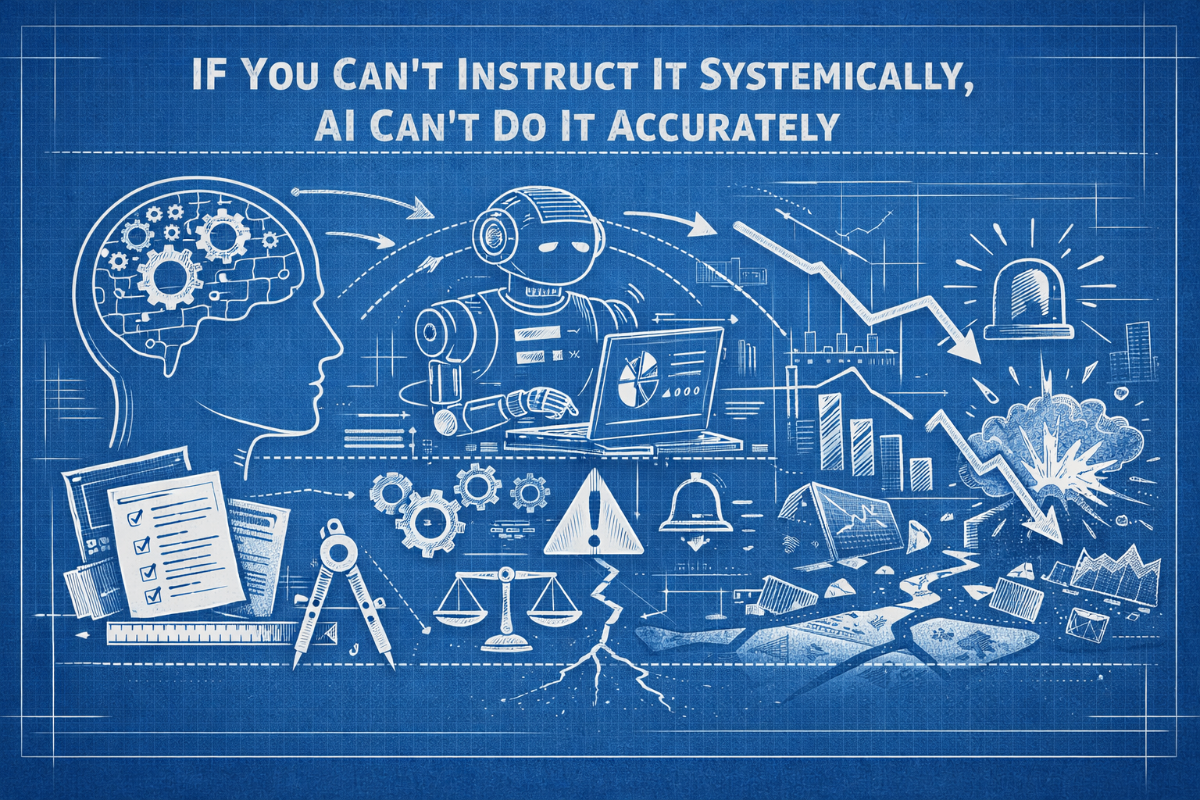
If You Can't Instruct It Systematically, AI Can't Do It Accurately
AI is fast. It's efficient. It's tireless. It will happily execute whatever structure you give it at machine scale. What it cannot do is supply structure you don't actually possess.

The World's Hardest Problems Aren't Computational. They're Geometric.
Most modern problem-solving assumes the bottleneck is information. Better data, faster models, more compute. That assumption holds—right up until systems start failing in ways no dashboard can explain.

Strategic Business & Technology Scan
What's shifting · Why it matters operationally · What to watch. AI infrastructure is collapsing into national energy and industrial policy. Governments are no longer treating AI compute as a commercial input.
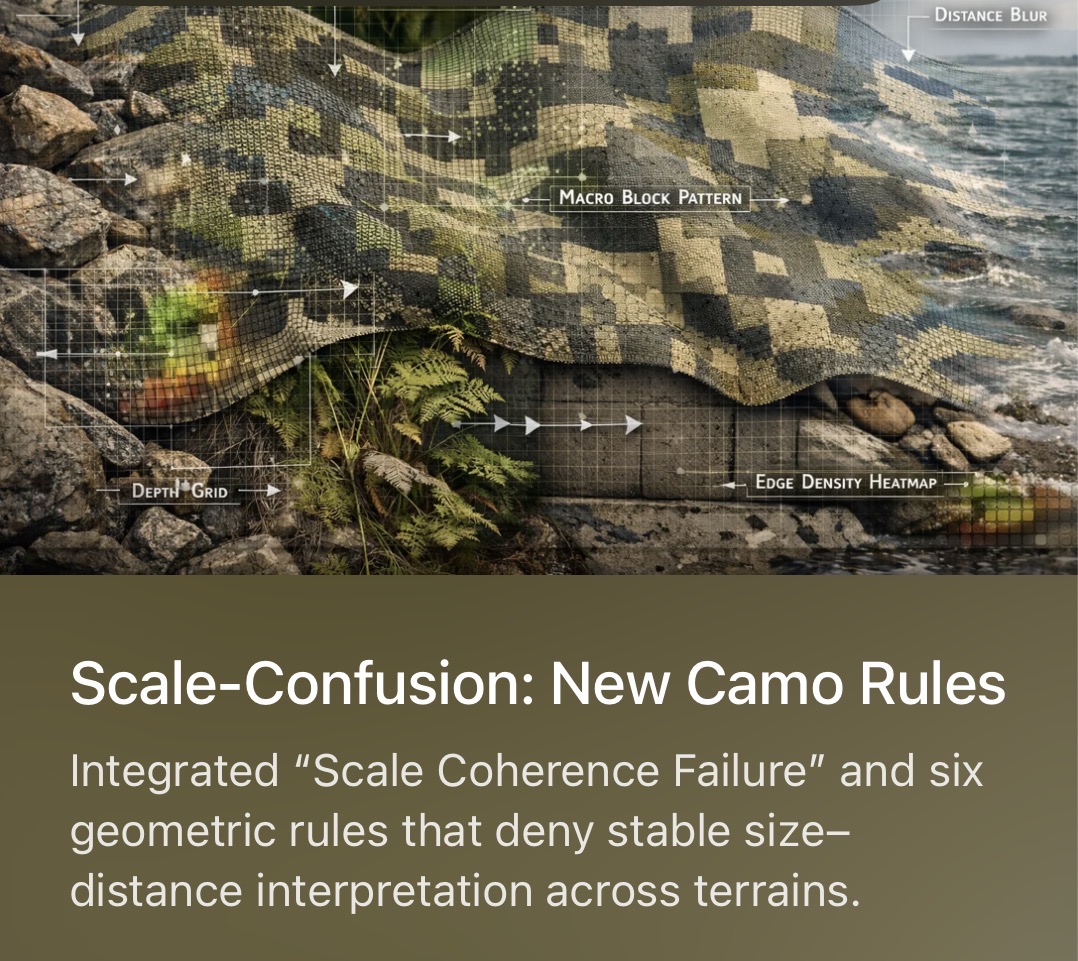
Why the Biggest Edges Appear Where Models Still Agree
Most people think arbitrage is about speed, information, or superior prediction. It isn't. The most durable edges appear when systems continue operating under an interpretation that is no longer true.
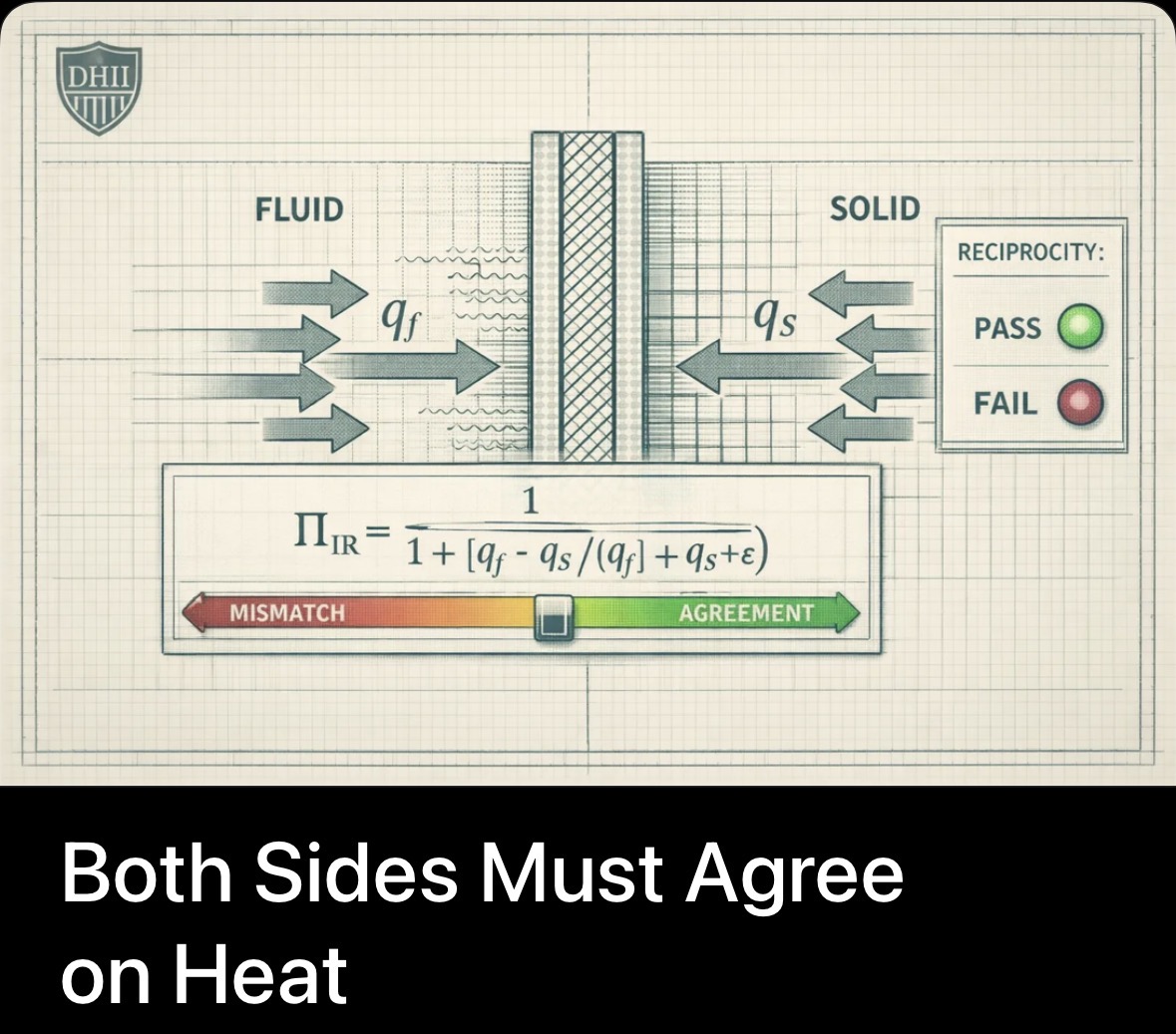
Convex Arbitrage: The Hidden Risk Most Thermal Models Are Carrying
Most organizations don't think of thermal CFD as a risk surface. They think of it as a cost center — something to optimize, accelerate, or validate just enough to sign off. That framing misses what's actually happening underneath.
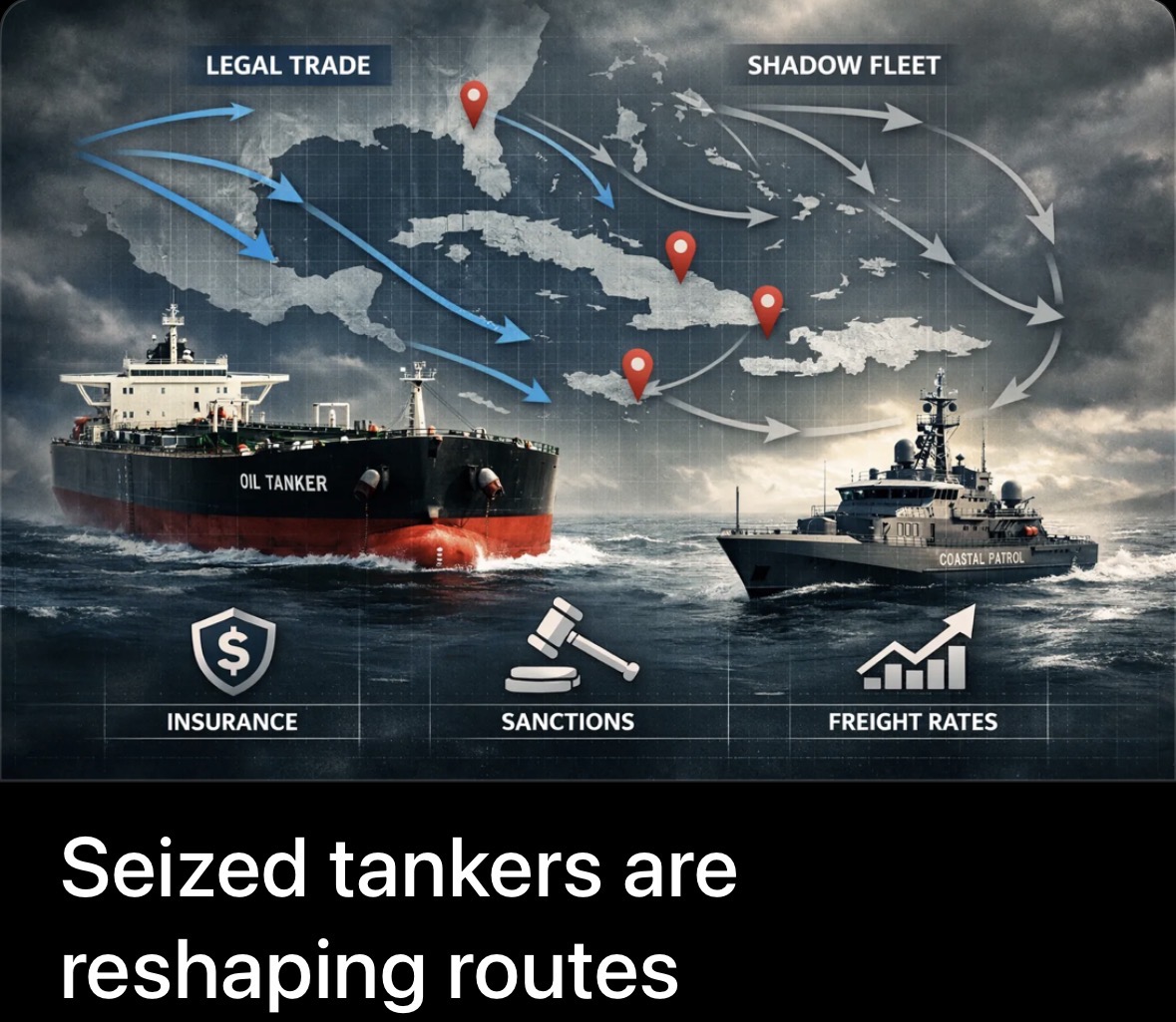
Your Container Reuse Approvals Are Being Approved — And Failing Anyway
Why "approved" no longer means executable, and what to do about it. You're getting more container reuse approvals than ever. But demurrage is climbing. The approval trap has shifted from denial to conditional approval.

The Orientation Arbitrage: Why Some People See Opportunities Others Miss
There's a pattern that separates exceptional operators from competent ones. It isn't speed, information, or intelligence. It's the ability to recognize when a system is about to cross an interpretation boundary — and to position before the rest of the world realizes the rules have changed.

Against Convergence: How Adversarial Geometry Redefines Tracking Failure
What if convergence itself is the vulnerability? Adversarial geometry doesn't hide from tracking systems—it breaks their ability to form stable interpretations of reality.
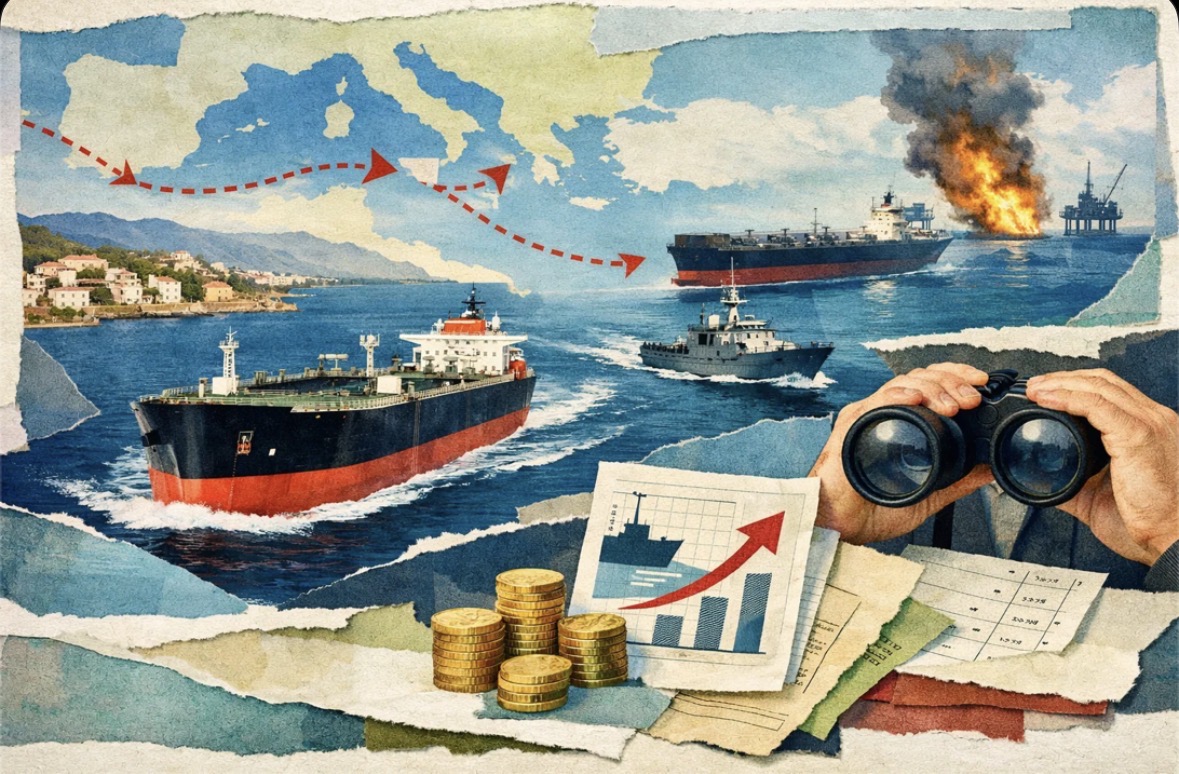
Convex Arbitrage in Modern Logistics
Most logistics optimization assumes the world is linear. That instinct is now wrong. Interpretation creates convexity, and the real arbitrage sits in timing, compliance velocity, and interpretive alignment.

Convex Arbitrage: Shaping Trajectories Instead of Controlling Agents
Most systems fail for the same reason: they try to control what should be shaped. A refractive system that turns random motion into stable downstream basins.
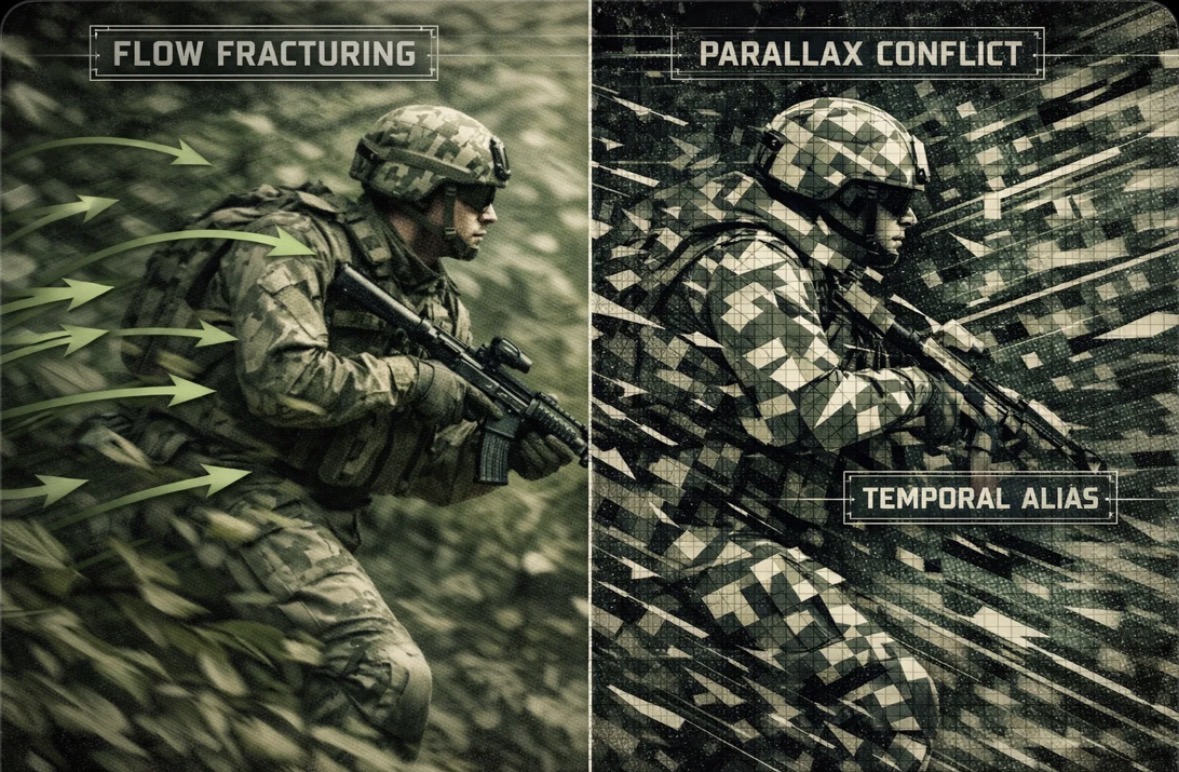
When Seeing More Makes Tracking Worse
Modern EO systems don't fail because they can't see. They fail when they can't agree. Non-periodic geometry turns signal into noise at the inference layer by over-stimulating the very features systems rely on to converge.
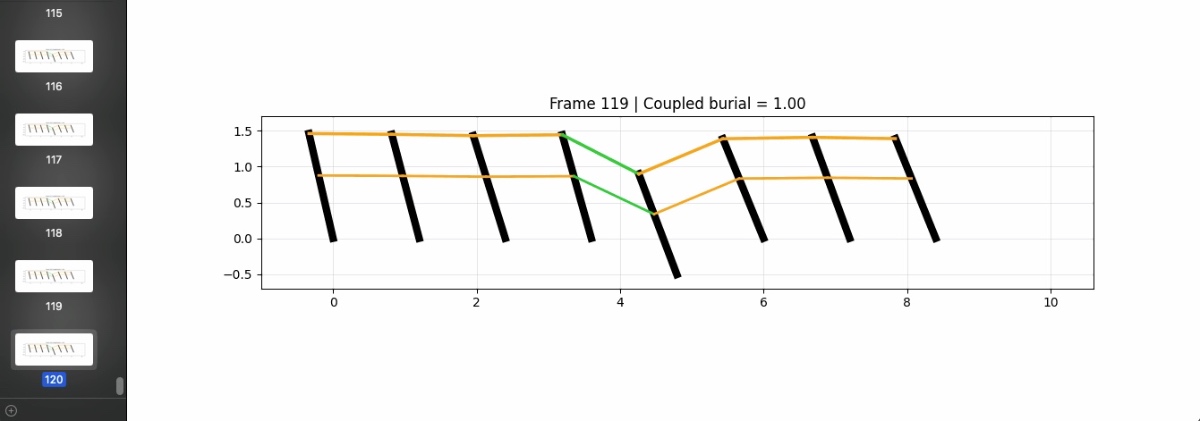
Convex Arbitrage: Why Geometry Beats Height, Sensors, and Force
Empirical Breakthrough Shows AI Perceptual Advantages Can Be Nullified by Physics-First Design. In the race between intelligent systems and physical design, a surprising result has emerged: AI's core strengths—feature detection, pattern learning, and sensor fusion—can be rendered structurally ineffective when faced with geometry-first armor and camouflage architectures.
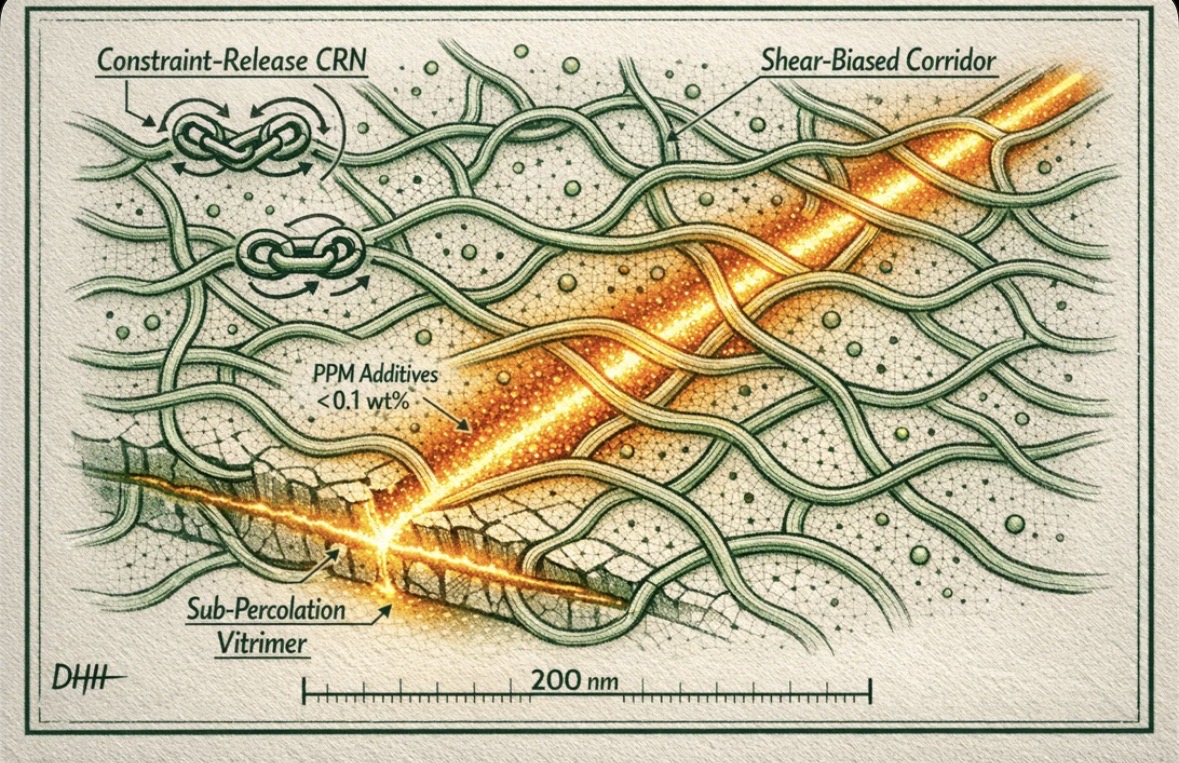
Perceptual Failure Mapping (PFM): A Live Application in Passive Camouflage Architecture
Perceptual Failure Mapping (PFM) is a systems-level diagnostic method used to identify where perception, classification, and sensor-fusion pipelines form false confidence under real-world constraints. Rather than optimizing for detection avoidance at a single layer, PFM examines how interpretation stabilizes—and where it fails—across deformation, motion, occlusion, and multi-modal sensing.

The Convex Arbitrage in Electromagnetic Interaction
Why the same passive boundary architecture can either amplify or suppress coupling — and why most designs miss this entirely. Most conversations about electromagnetic interaction optimization collapse into a false binary: increase signal strength, or block electromagnetic energy. Both approaches assume that energy magnitude is the primary control variable. In near-field and human-scale environments, that assumption is wrong.
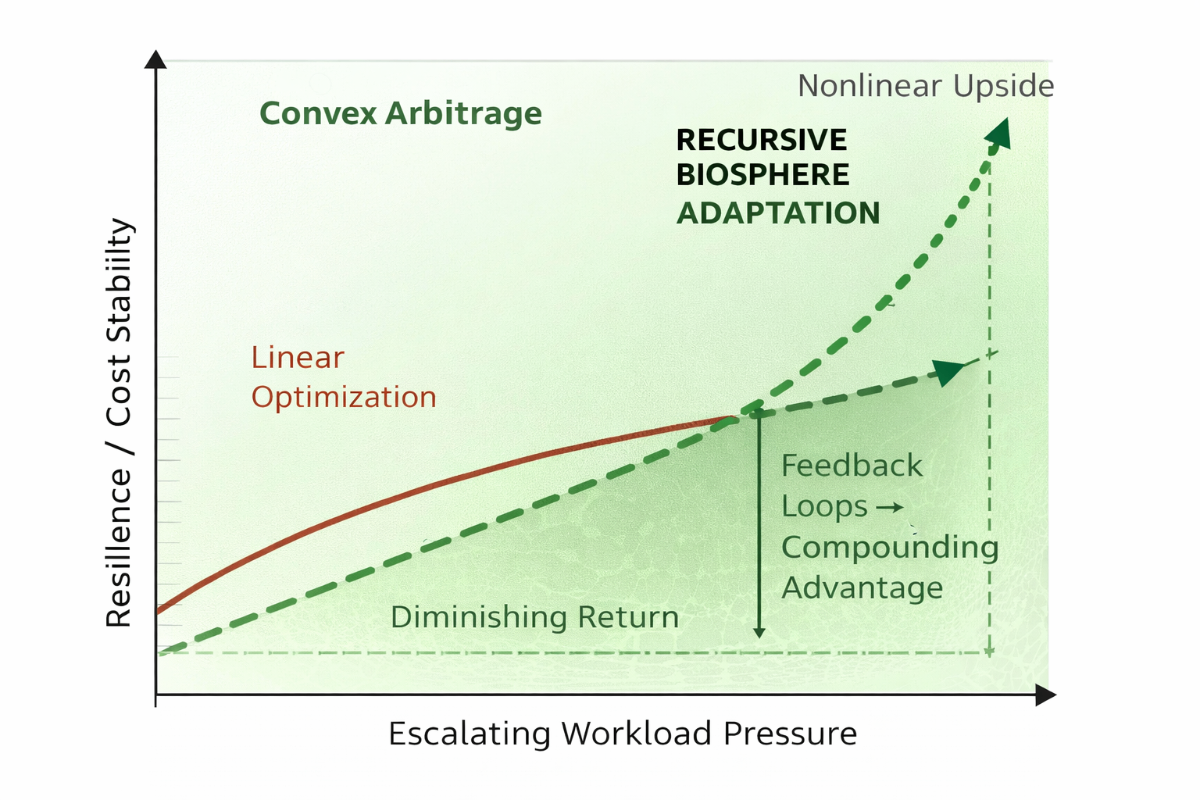
Convex Arbitrage in Data Center Power
Why Recursive Biosphere Engines Create Asymmetric Upside Before the Market Reprices Them. Most data center power strategies are still optimized for linear efficiency improvements. A different opportunity is emerging: treating data centers as gradient-maintaining engines rather than energy consumers.
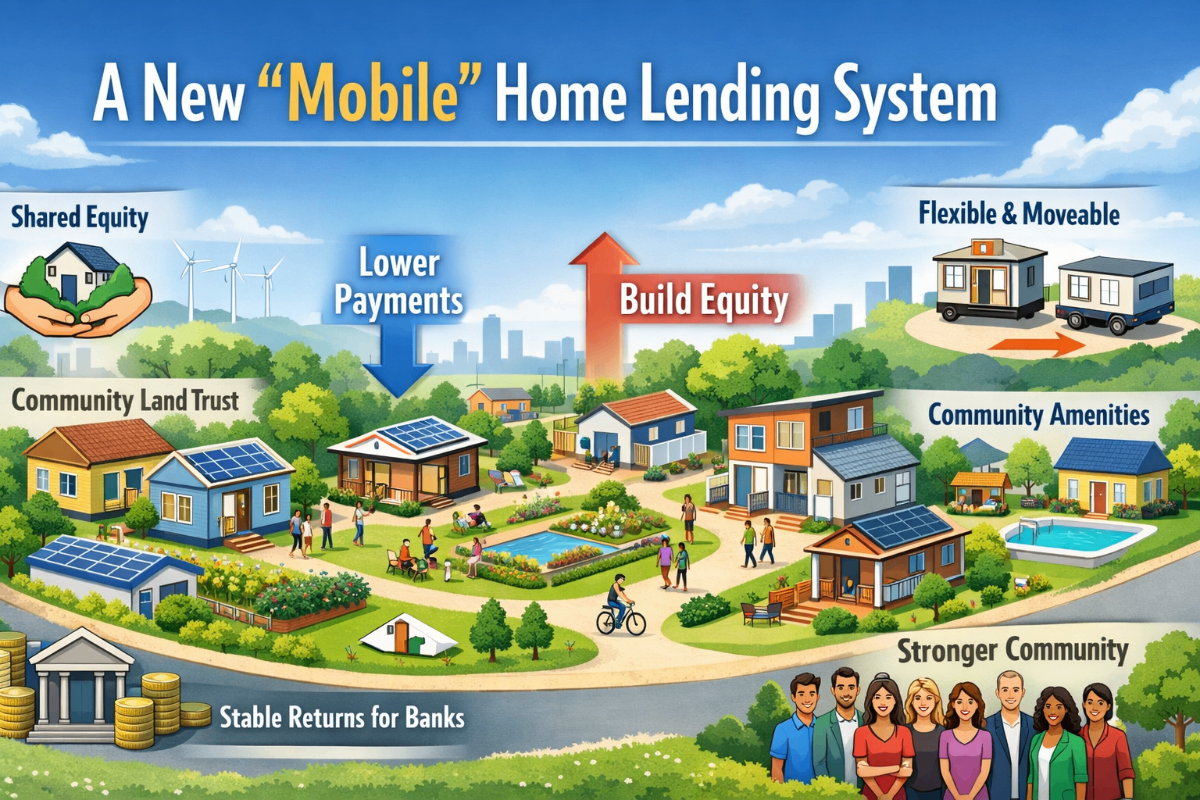
A New "Mobile" Home Lending System
Convex arbitrage in housing finance. Housing finance is one of the largest balance-sheet systems in the economy — and it's quietly mispriced.
Why Malls Are Quietly One of the Best Data-Center Sites We Have
Most conversations about data centers start in the wrong place. They begin with land acquisition, greenfield builds, hyperscale campuses, or remote siting strategies. Meanwhile, one of the most utility-rich, structurally overbuilt, and underutilized building types in North America already exists—at scale. It's the suburban shopping mall.